


Understanding Rosacea

The Dermal Clinic Approach to Long-Term Skin Stability
Rosacea is a chronic inflammatory skin condition that affects the face and, in some cases, the eyes. It commonly presents as persistent redness, flushing, visible capillaries, sensitivity, burning or stinging sensations, and in some people, inflammatory papules and pustules that resemble acne.
At The Dermal Clinic, rosacea is treated as a medical skin condition, not a cosmetic concern. Our approach focuses on understanding what is driving inflammation within the skin, restoring barrier function, and using evidence-based technologies to stabilise vascular activity over time.
Rosacea cannot be “cured”, but it can be successfully managed, controlled, and significantly improved with the correct strategy.
What Is Actually Happening in Rosacea-Affected Skin
Rosacea is driven by a combination of neurovascular instability, immune dysregulation, and barrier dysfunction.
In rosacea-prone skin:
The blood vessels in the superficial dermis dilate too easily and remain dilated for longer than normal. This leads to flushing, background redness, and the development of visible capillaries.
The innate immune system is over-reactive. Inflammatory mediators such as cathelicidins and kallikrein-5 are produced in excess, triggering inflammation even in response to mild stimuli.
The skin barrier is impaired. Increased transepidermal water loss allows irritants, heat, and microbes to penetrate more easily, further driving inflammation.
The nervous system plays a role. Heat, stress, exercise, alcohol, and spicy foods can activate neurogenic inflammation, creating a cycle of flushing and worsening symptoms.
Because rosacea is inflammatory and vascular, treatments aimed solely at surface exfoliation or oil control often make symptoms worse.
Why Papules and Pustules Occur in Rosacea
Papules and pustules in rosacea are frequently mistaken for acne, but they form through a different mechanism.
Unlike acne, rosacea does not involve clogged pores or comedones. Instead:
Inflammation within the dermis triggers swelling and immune cell infiltration around hair follicles.
This leads to raised red papules and pus-filled pustules that sit on a background of redness.
The skin’s altered immune response reacts excessively to microorganisms, including Demodex mites, which can contribute to inflammation in some individuals.
Because the barrier is compromised, the skin is less tolerant of traditional acne treatments such as benzoyl peroxide, strong retinoids, or aggressive exfoliation.
This is why rosacea often worsens when treated “like acne”.
Common Triggers and Daily Aggravators
Rosacea flares are often triggered by a combination of internal and external factors. These do not cause rosacea, but they can worsen symptoms once the condition is present.
Common triggers include heat, sun exposure, alcohol, spicy foods, hot drinks, emotional stress, and vigorous exercise. Environmental factors such as wind, cold, and sudden temperature changes can also aggravate symptoms.
Daily skin habits matter. Over-cleansing, scrubs, mechanical exfoliation, fragranced products, and frequent product changes all place stress on an already compromised barrier.
Exercise and Post-Gym Skin Care
Exercise is important for overall health and does not need to be avoided. However, heat and friction can provoke flushing.
After exercise, cleanse the skin gently as soon as possible using lukewarm water and a barrier-supportive cleanser. Avoid harsh rubbing, facial wipes, or very cold water. Apply calming, anti-inflammatory products immediately to support recovery.
The Dermal Clinic Treatment Philosophy
At The Dermal Clinic, rosacea treatment follows a structured, staged approach:
Calm the skin by reducing active inflammation
Stabilise the vascular response
Repair and strengthen the barrier
Maintain long-term control
Corrective treatments are only introduced once the skin is stable enough to tolerate them. This reduces flares, improves comfort, and leads to more sustainable results.
LED Therapy for Rosacea
LED therapy is a foundational treatment for rosacea management.
Red LED wavelengths support cellular energy production within the mitochondria, helping skin cells function more efficiently under inflammatory stress. LED therapy reduces inflammatory mediators, supports barrier repair, and improves overall skin tolerance.
LED is particularly beneficial for sensitive, reactive skin because it works without heat, injury, or downtime. It is often used as a standalone treatment during flare phases and as a supportive therapy alongside laser treatments.
Regular LED sessions help calm redness, reduce sensitivity, and improve skin resilience over time.
Laser Genesis for Rosacea
Laser Genesis is a gold-standard treatment for rosacea-associated redness and flushing.
Using a 1064 nm Nd:YAG wavelength, Laser Genesis gently heats the dermis without damaging the surface of the skin. This controlled dermal heating leads to:
Reduction in abnormal blood vessel activity
Improved vascular stability
Decreased diffuse redness and flushing
Stimulation of healthy collagen production
Improved skin texture and strength
Because Laser Genesis does not injure the epidermis, it is well tolerated by rosacea-prone skin when appropriately prescribed and spaced.
Multiple treatments are required. Results build gradually as inflammation reduces and vascular function improves.
Why We Combine LED and Laser Genesis
Combining LED therapy with Laser Genesis allows us to address rosacea from multiple angles.
LED reduces inflammation and improves healing capacity.
Laser Genesis targets vascular instability and chronic redness.
Together, they create a more controlled treatment environment, reduce the risk of post-treatment flare, and improve long-term outcomes.
This combined pathway forms the cornerstone of The Dermal Clinic’s rosacea management strategy.
Home Care Principles for Rosacea
Home care is not about using more products. It is about using the right products consistently.
The focus is on gentle cleansing, barrier repair, anti-inflammatory support, and strict sun protection.
At The Dermal Clinic, we may recommend iS Clinical and other in-clinic barrier-supportive products that are known for their anti-inflammatory and reparative properties. These products are selected for tolerance, not aggressiveness.
Active treatments such as retinoids, exfoliating acids, and strong actives are introduced cautiously, if at all, and only once the skin is stable.
Treatment Timeline and Expectations
Most clients notice improvements in comfort and sensitivity first. Redness and flushing reduce more gradually over time.
Rosacea management is not linear. Flare-ups can still occur, particularly during periods of stress, illness, or environmental change. The goal is to reduce the frequency, intensity, and duration of flares.
Stopping treatment early or changing products frequently often leads to relapse.
Consistency is key.
When Further Medical Review Is Needed
Some presentations of rosacea require medical co-management.
Severe or persistent papulopustular flares, ocular symptoms, thickening of the skin, or lack of response to conservative management may warrant referral to a GP or dermatologist for additional support.
The Dermal Clinic works collaboratively with other health professionals when required to ensure safe and comprehensive care.
Our Commitment to Rosacea Care
Rosacea can be physically uncomfortable and emotionally distressing. Our role is to guide you through a structured, evidence-based pathway that prioritises skin health, comfort, and long-term stability.
With the correct approach, rosacea does not need to control your skin or your confidence.
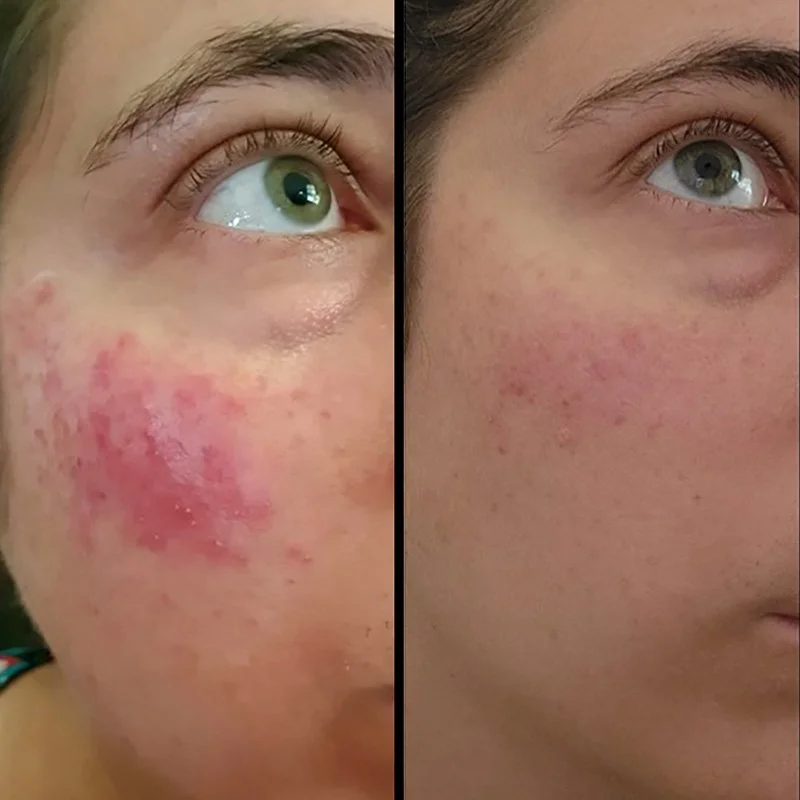
Images provided by the National Rosacea Society
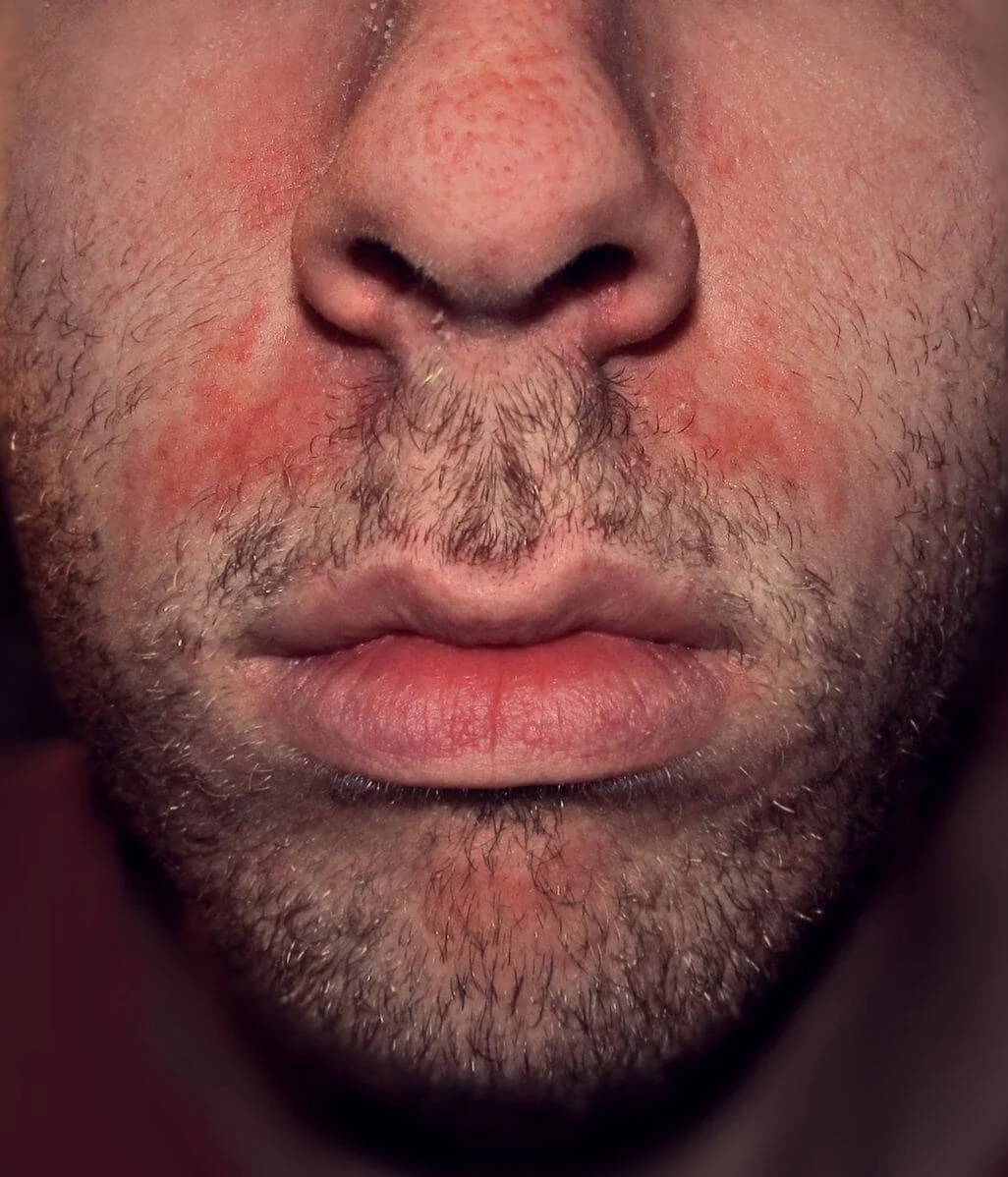
Images provided by the National Rosacea Society
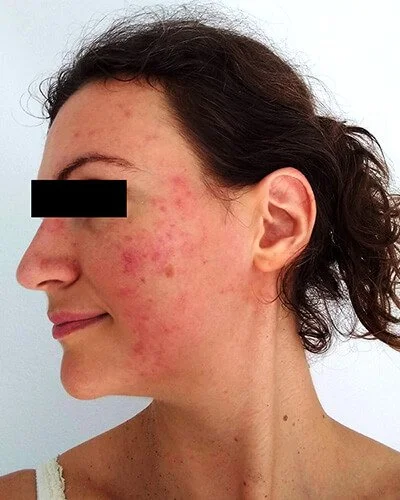
Images provided by the National Rosacea Society